Quick answer
Equipment finance is a loan or lease used to buy business equipment — machinery, tools, kitchens, medical devices, technology — where the equipment itself is the main security. Common structures are the chattel mortgage (you own it from day one), hire purchase, and finance or operating leases. Repayments can be matched to the asset's working life, and property usually isn't needed.
Key points
- The equipment secures the loan, so property usually isn't required.
- Chattel mortgage, hire purchase and leases each treat ownership and tax differently.
- Match the term to how long the equipment will earn its keep.
- Talk to your accountant about depreciation and the instant asset write-off.
- Security
- The equipment itself
- Structures
- Chattel mortgage, hire purchase, lease
- Suits
- New and used business equipment
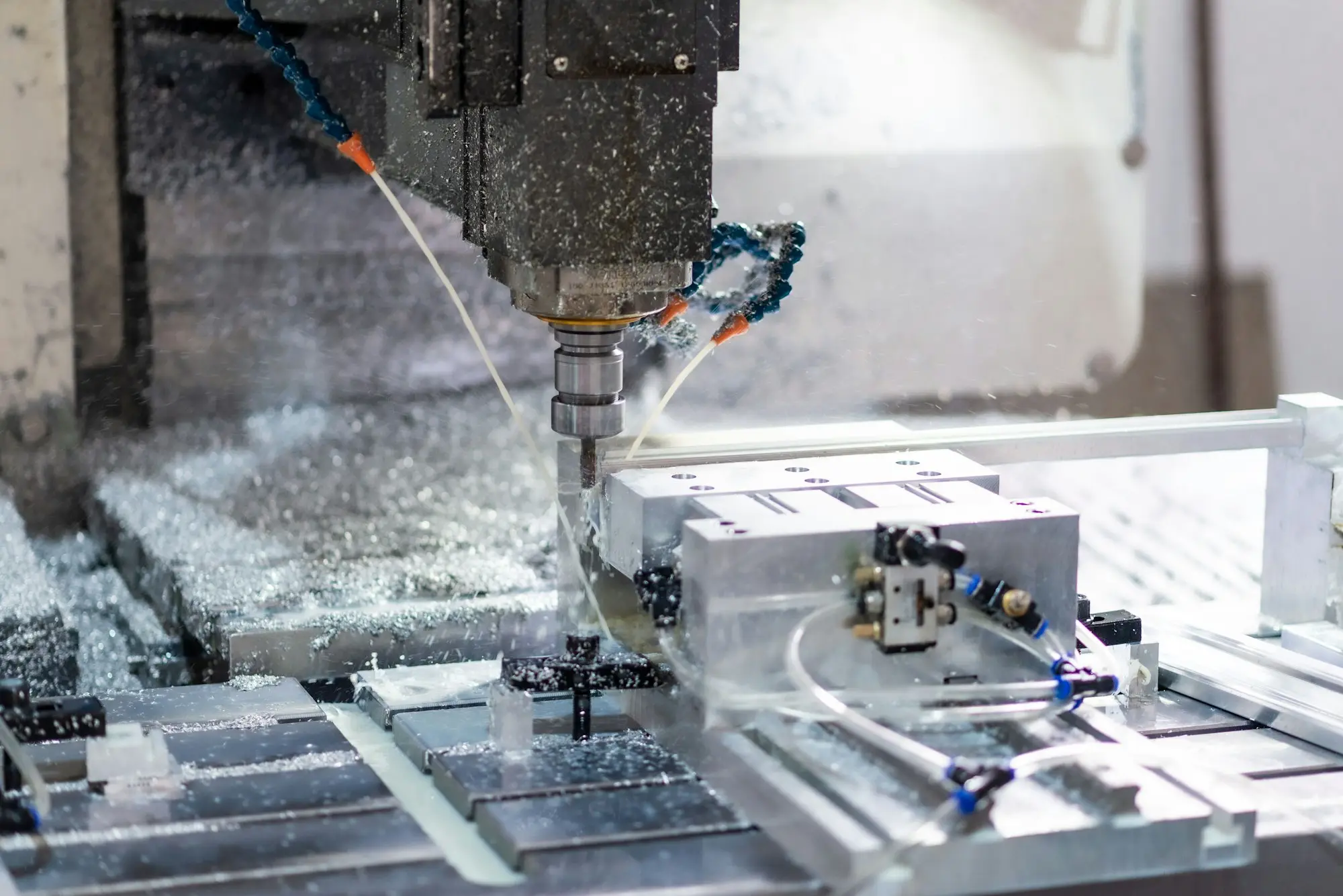
A new oven that doubles a bakery’s output. A CNC machine that brings outsourced work in-house. A dental chair, a laser cutter, a server rack, a commercial dishwasher. Equipment is where a lot of business growth physically lives — and equipment finance is designed so the thing you’re buying helps pay for itself.
What is equipment finance?
It’s finance used to acquire business equipment, where the equipment is the primary security. Because the lender can rely on the asset, property security usually isn’t needed, and newer businesses often find it more accessible than unsecured lending.
The lender typically registers its interest on the Personal Property Securities Register (PPSR) — the national register, run by AFSA, where security interests in personal property are recorded and searched.
What are the main types of equipment finance?
| Structure | Who owns it | How it works | Often suits |
|---|---|---|---|
| Chattel mortgage | You, from day one | A loan secured over the asset; balloon optional | Businesses that want ownership and to claim depreciation |
| Hire purchase | Financier until final payment | You hire it, then own it after the last instalment | Businesses wanting ownership at the end |
| Finance lease | Financier | You lease it for a term, with a residual value | Businesses wanting lower upfront commitments |
| Operating lease / rental | Financier | Use it, return or upgrade at the end | Tech or gear that dates quickly |
business.gov.au’s guide to leasing versus buying compares the ownership, maintenance and tax angles in more depth — worth a read alongside a chat with your accountant.
Who is equipment finance good for?
- Trades and construction — excavators, trailers, compressors, tools. See tradies and construction.
- Hospitality — ovens, coffee machines, refrigeration, POS.
- Health — dental chairs, imaging equipment, treatment beds.
- Manufacturing and workshops — CNC machines, presses, hoists.
- Offices and agencies — computers, servers, AV and fit-out items.
- New businesses that can’t yet borrow unsecured but need gear to start trading.
How does equipment finance work, step by step?
- Choose the equipment and get a quote or tax invoice from the supplier.
- Enquire with the cost, the supplier and how the equipment will earn. No credit check to enquire.
- Assessment. The lender reviews your trading (or plan), the asset’s value and its useful life.
- Structure. Pick chattel mortgage, hire purchase or lease; choose the term and whether to include a balloon or residual.
- Settlement. The lender pays the supplier directly and registers its interest on the PPSR.
- Use and repay. The equipment goes to work; repayments run over the agreed term.
What are the pros and cons?
| Pros | Cons |
|---|---|
| The asset secures itself — no property needed | Only funds equipment, not general cash flow |
| Repayments can match the asset’s earning life | Older or specialised gear can be harder to fund |
| Keeps working capital free | A balloon or residual must be paid or refinanced at the end |
| Accessible for newer businesses | Private sales need more checks |
| Possible tax benefits (ask your accountant) | Equipment that dates quickly may outlive its usefulness before the loan ends |
What about the instant asset write-off?
The ATO’s instant asset write-off lets eligible small businesses immediately deduct the cost of eligible assets under a threshold, rather than depreciating them over several years. According to the ATO, the threshold is $20,000 for businesses with aggregated turnover under $10 million, applying to assets first used or installed ready for use from 1 July 2023. The rules have changed many times, so check the ATO page for the income year you’re in and talk to your accountant — and remember a tax deduction is never a reason on its own to buy something you don’t need. Our guide matching the loan to the job has more on timing purchases.
What does it look like in practice? (illustrative)
A Melbourne fabrication workshop has been outsourcing laser cutting at a steady cost every month. A second-hand laser cutter would bring that work in-house and free up delivery delays. The workshop uses a chattel mortgage over five years, with a modest balloon to keep monthly repayments below what it was paying the outsourcer. The machine is the security; no property is involved. From the first month, the repayment is roughly offset by the outsourcing bill it replaced. Illustrative only.
How long should an equipment loan run?
The golden rule is simple: the loan shouldn’t outlive the usefulness of the equipment. A commercial oven might work hard for a decade; a laptop fleet might be tired in three years. Shorter terms mean bigger repayments but less total cost and no risk of paying for a dead machine. Longer terms ease cash flow but cost more overall. A balloon can lower repayments, as long as you plan for the lump sum at the end. If you’d like help weighing those trade-offs for a specific purchase, send us the quote and we’ll walk through the options.
What documents will you need?
- Supplier quote or tax invoice (with serial numbers for used equipment where available)
- ABN or ACN and photo ID
- Recent business bank statements
- For larger amounts: BAS and financial statements
- For new businesses: a short plan showing how the equipment will generate income
What are the alternatives?
- Vehicle finance — the same idea for utes, vans, trucks and cars.
- Fit-out finance — for the room around the equipment.
- Unsecured business loan — useful for low-value gear or a mix of items.
- Property-backed loan — for big equipment purchases bundled with other costs.
Got your eye on some new gear?
If a new piece of equipment would make your business faster, better or more profitable, there’s a good chance it can help fund itself. We’ll match you to the right structure and tell you exactly what the lender will need.
Enquire safely — there’s no credit check at the first step, we don’t scatter your details among lenders, and a real person picks up your file. Include the supplier, cost and what the equipment will do for the business, and we’ll get it right on the first call. See if you qualify.
Frequently asked questions
What is a chattel mortgage?
A chattel mortgage is a business loan to buy an asset, where you own the asset from the start and the lender takes security over it until the loan is repaid. It's one of the most common ways Australian businesses finance equipment and vehicles.
Can I finance used equipment?
Often, yes. Lenders look at the age, condition, resale value and seller. Very old or highly specialised equipment, or private sales, can be harder to fund but aren't automatically ruled out.
Can a new business get equipment finance?
It's one of the more accessible options for new businesses because the asset provides security. Expect the lender to ask about your experience and plan, and possibly for a deposit.
What is the instant asset write-off?
It's a tax concession that lets eligible small businesses immediately deduct the cost of eligible assets under a threshold. The ATO states the threshold is $20,000 for businesses with aggregated turnover under $10 million, applying from 1 July 2023. Confirm the rules for your income year with the ATO or your accountant.
Should I lease or buy equipment?
It depends on how long you'll use it, whether you want to own it, how fast it becomes outdated and the tax treatment. business.gov.au has a useful comparison of leasing versus buying.